
AI Is Quietly Transforming Email
AI is reshaping how businesses write, send, and measure email. Here is what small and mid sized businesses need to know to stay competitive.
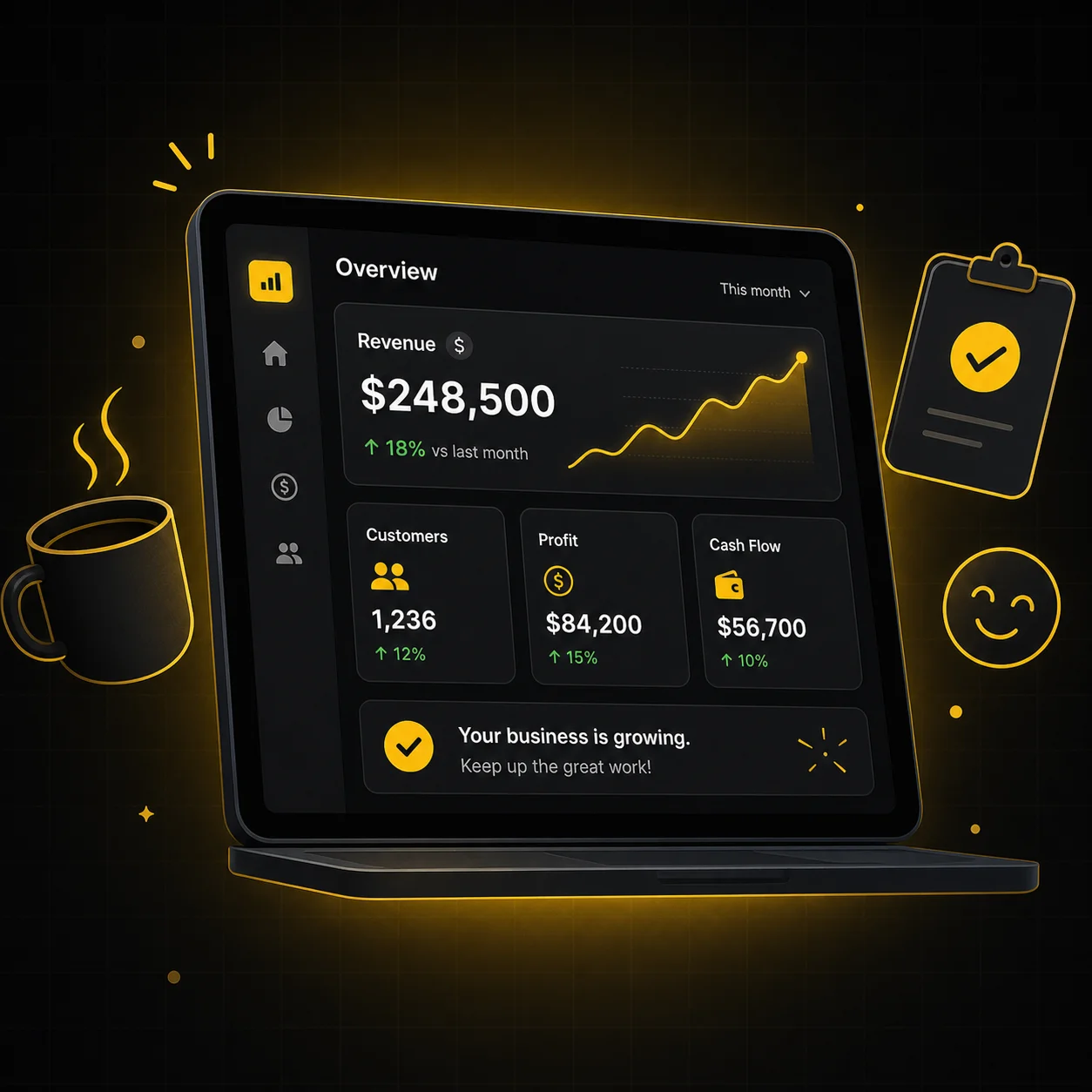
Email is not glamorous. It does not get the headlines that chatbots or autonomous AI agents do. But quietly, steadily, AI is changing the way businesses write, personalize, and send email and newsletters , and the results are showing up directly in revenue and customer satisfaction numbers.
If you run a small or mid sized business and you are still writing every email from scratch, or sending the same message to your entire list, you are leaving real money on the table. This post walks you through what is actually changing, why it matters, and how to take advantage without hiring a developer.
Why Email Still Deserves Your Attention
Social media platforms change their algorithms constantly. Paid ads get more expensive every year. Email, by contrast, is a direct line to people who already said they want to hear from you. According to research tracked by McKinsey's QuantumBlack team, personalization at scale is one of the highest ROI applications of AI for customer facing businesses, and email is one of the easiest channels to apply it.
The challenge has always been time. Writing a thoughtful, well targeted email takes effort. Doing it for five different audience segments, week after week, used to require a dedicated marketing team. AI changes that equation significantly.
What AI Actually Does for Email
When people say "AI for email," they usually mean one of three things. It helps to understand all three so you can decide where to focus first.
- Content generation: AI tools can draft subject lines, body copy, and calls to action based on a short prompt you write. You describe the goal, the audience, and the tone, and the tool gives you a strong first draft in seconds.
- Personalization at scale: Instead of one email going to your whole list, AI can adapt the message based on what each subscriber has purchased, clicked, or browsed. This is sometimes called dynamic content; think of it as mail merge but far more intelligent.
- Send time and frequency optimization: AI analyzes when each individual subscriber is most likely to open and engage, then sends the email at that moment automatically. You set the campaign up once; the system handles the timing.
None of these require you to write code. Most modern email platforms either have these features built in or integrate easily with AI tools that add them on top.
The Real Business Impact
Here is where things get concrete. Businesses using AI assisted email typically see improvements in three areas.
Time savings: A well structured AI workflow can cut the time it takes to produce a weekly newsletter from two or three hours down to thirty or forty minutes. You still review and approve everything; you just spend far less time staring at a blank page.
Higher open and click rates: Personalized subject lines and content consistently outperform generic blasts. When a subscriber sees a message that speaks to their specific interest or purchase history, they are simply more likely to open it and act on it.
Better customer experience: Fewer irrelevant emails means fewer unsubscribes. Customers feel understood rather than marketed at, and that feeling builds trust and repeat purchases over time.
How to Start Without Overwhelming Yourself
The biggest mistake business owners make is trying to overhaul everything at once. A smarter approach is to pick one use case, prove it works for your business, and then expand.
- Start with subject lines. Ask an AI tool to generate five subject line options for your next email. Pick the one that feels right, or blend two together. This alone can lift open rates noticeably and costs almost no extra time.
- Segment one audience group. Identify your most valuable customer segment, perhaps repeat buyers or subscribers who have been on your list for over a year. Write a slightly different version of your next newsletter just for them, with AI helping you tailor the copy. Compare results against your standard send.
- Audit your welcome sequence. The emails new subscribers receive in their first week are the most important you will ever send. Use AI to rewrite them with clearer value, warmer tone, and a stronger call to action. This is a one time investment that pays off indefinitely.
Once you have a few wins, you can look at more advanced workflows like AI agents that automatically trigger different email journeys based on customer behavior. Agentic AI, meaning software that takes a series of actions on its own based on a goal you set, is becoming practical for businesses of almost any size.
A Few Honest Cautions
AI is a powerful tool, but it is not a replacement for knowing your customers. A few things worth keeping in mind:
- Always read AI generated drafts before sending. The tool does not know your brand voice perfectly from day one; you need to train it over time by editing and giving feedback.
- Personalization requires clean data. If your email list has messy or incomplete information about your subscribers, AI cannot personalize effectively. Cleaning your list is worth doing before you invest in personalization tools.
- Do not automate so heavily that you lose the human feel. Customers can sense when communication becomes robotic, even if they cannot explain why. Keep a genuine voice in everything you send.
The Competitive Advantage Is Real and Available Now
Here is the honest truth: larger companies have been using AI powered email marketing for years. What has changed is that the tools are now accessible and affordable for small and mid sized businesses too. This is a genuine window of competitive advantage if you move while many of your local and regional competitors are still sending the same email to everyone on their list every week.
AI for small business is not about replacing what makes your company special. It is about giving you the leverage to communicate that specialness more often, more precisely, and with far less effort on your part.
If you are ready to build a smarter email strategy, or if you are not sure where your biggest opportunity is, we are here to help you figure it out.